
Neurological Disorders Treatment in Pune
Make an appointment for know more!
Treatments
Neurological Disorders Treatment in Pune – Expert Care for Brain and Nervous System Conditions
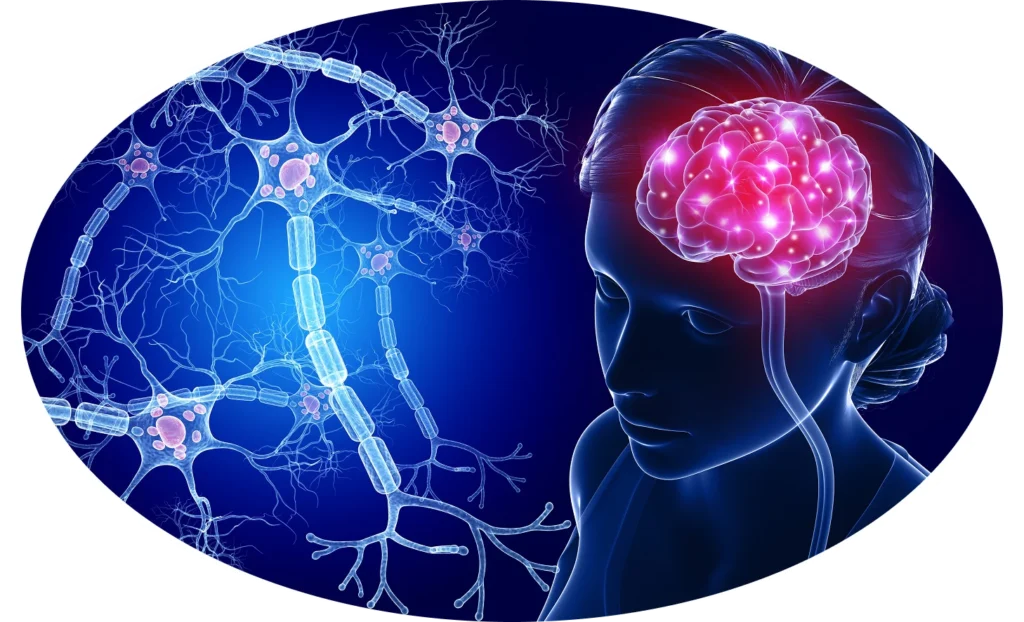
Your nervous system controls everything. Every thought, movement, sensation, breath. When something goes wrong with your brain, spinal cord, or nerves, the effects ripple through your entire life.
Neurological disorders affect millions of people. Some develop suddenly—a stroke, a seizure. Others creep in slowly—memory fading, movements becoming harder, pain that won’t go away.
Dr. Sayali Kalbhor Patil specialises in diagnosing and treating the full spectrum of neurological disorders in Pune. With over 12 years of experience, she provides expert care that combines medical expertise with a genuine understanding of how these conditions affect your daily life.
Common Neurological Disorders We Treat
Vascular Disorders

- Stroke – When the blood supply to part of your brain is blocked or a vessel ruptures. Time matters critically. Quick treatment saves brain tissue and prevents disability.
- Transient Ischemic Attack (TIA) – Mini-strokes that resolve within 24 hours. Warning signs that shouldn’t be ignored. Dr. Sayali helps prevent full strokes.
- Haemorrhages – Bleeding in or around the brain from ruptured blood vessels. Includes subarachnoid, subdural, and extradural haemorrhages requiring urgent care.
Degenerative Disorders

- Parkinson’s Disease –A progressive movement disorder causing tremors, stiffness, and slow movements. Dr. Sayali creates treatment plans that help maintain mobility and independence.
- Alzheimer’s disease is the most common cause of dementia. Memory loss, cognitive decline, personality changes. Early diagnosis and treatment slow progression.
- ALS (Amyotrophic Lateral Sclerosis) – Progressive disease affecting nerve cells that control voluntary muscles. Comprehensive care addresses symptoms and maintains quality of life.
- Huntington’s Disease – An inherited disorder causing breakdown of nerve cells. Movement problems, cognitive decline, and psychiatric symptoms.
Autoimmune and Inflammatory Disorders

Multiple Sclerosis – The immune system attacks the protective covering of nerves. Causes vision problems, weakness, numbness, and balance issues. Modern treatments dramatically improve outcomes.
Bell’s Palsy – Sudden facial paralysis from nerve inflammation. Most people recover with proper treatment.
Guillain-Barré Syndrome – A rare condition where the immune system attacks the peripheral nerves. Causes rapid-onset weakness that can become severe.
Peripheral Neuropathy – Damage to peripheral nerves causing pain, numbness, and weakness in hands and feet.
Seizure Disorders

- Epilepsy – Recurrent seizures from abnormal brain electrical activity. Many types exist. Medication controls seizures for most people. Dr. Sayali helps find the right treatment combination.
- Febrile Seizures – Seizures in children triggered by fever. Usually not dangerous, but requires proper evaluation.
Headache and Pain Disorders

- Migraine – Severe headaches with nausea, light sensitivity, and visual disturbances. Dr. Sayali offers both acute treatments and preventive strategies.
- Tension Headaches – Most common type. Dull, aching pain like a tight band around your head.
- Cluster Headaches –Excruciating headaches occurring in clusters. Affect one side of the head, often around the eye.
- Chronic Pain Syndromes – Persistent nerve pain requiring specialised management approaches.
Movement Disorders

- Essential Tremor – Uncontrollable shaking, usually in the hands. Worsens with movement or stress.
- Dystonia – Involuntary muscle contractions causing repetitive movements or abnormal postures.
- Restless Legs Syndrome – Uncomfortable sensations in legs with an irresistible urge to move them, especially at night.
Neuromuscular Disorders

- Myasthenia Gravis – an autoimmune disorder causing muscle weakness that worsens with activity.
- Muscular Dystrophy – A group of genetic diseases causing progressive muscle weakness.
- Myopathy – Muscle diseases affecting skeletal muscles. Various types with different causes and treatments.
- Carpal Tunnel Syndrome – Nerve compression in the wrist, causing numbness, tingling, and weakness in the hand.
Memory and Cognitive Disorders

- Dementia – Decline in cognitive abilities affecting daily life. Multiple causes,s including Alzheimer’s, vascular dementia, and Lewy body dementia.
- Mild Cognitive Impairment – Memory problems greater than normal ageing, but not severe enough to be dementia. Essential to monitor and manage.
Balance and Vertigo Disorders

- BPPV (Benign Paroxysmal Positional Vertigo) – Most common cause of vertigo. Spinning sensations triggered by head movements. Dr. Sayali specialises in treatment.
- Vestibular Neuritis – Inner ear inflammation causing severe vertigo, nausea, and balance problems.
- Meniere’s Disease – Inner ear disorder causing vertigo episodes, hearing loss, and tinnitus.
Infections

- Meningitis – Inflammation of membranes surrounding the brain and spinal cord. Medical emergency requiring immediate treatment.
- Encephalitis – Brain inflammation from infections or autoimmune causes. Causes fever, confusion, seizures.
- Brain Abscess – Pockets of infection in brain tissue requiring antibiotics and sometimes surgery.
Structural Disorders

- Brain Tumours – Abnormal growths inthe brain. It can be cancerous or benign. Treatment depends on the type and location.
- Spinal Cord Injury – Damage to the spinal cord from trauma. Affects movement and sensation below the injury level.
- Cervical Spondylosis – Age-related wear and tear on neck vertebrae and discs. Causes neck pain, stiffness, and sometimes nerve compression.
- Hydrocephalus – Buildup of fluid in the brain. Causes pressure, headaches, and cognitive problems.
Other Neurological Conditions

- Trigeminal Neuralgia – Severe facial pain from an irritated trigeminal nerve. Sharp, electric-shock-like pains.
- Sleep Disorders – Including narcolepsy, sleep apnea, and insomnia with neurological causes.
- Neuropathies – Various types of nerve damage throughout the body.
Common Symptoms That Need Neurological Evaluation
See Dr. Sayali if you’re experiencing:

- Persistent or severe headaches
- Memory loss affecting daily life
- Seizures or episodes of lost consciousness
- Sudden weakness or numbness
- Difficulty walking or balance problems
- Tremors or involuntary movements
- Vision problems or double vision
- Dizziness or vertigo
- Chronic pain that’s hard to explain
- Speech difficulties
- Muscle weakness or cramping
- Numbness or tingling in limbs
- Confusion or difficulty concentrating
Early diagnosis often means better treatment outcomes.
How Dr. Sayali Diagnoses Neurological Disorders
Diagnosis starts with listening. Dr. Sayali takes time to understand your symptoms, when they started, what makes them better or worse, and your medical history.
Then comes a thorough neurological examination:
- Mental status and cognitive function
- Cranial nerve function
- Muscle strength and tone
- Reflexes
- Coordination and balance
- Sensation
- Gait and movement
Depending on your symptoms, Dr. Sayali may recommend:
- Blood tests – Checking for infections, inflammation, metabolic problems, and vitamin deficiencies
- Brain imaging – MRI or CT scans showing brain structure, detecting tumours, strokes, lesions
- EEG (Electroencephalogram) – Recordingthe brain’s electrical activity to diagnose epilepsy and other conditions
- EMG/Nerve Conduction Studies – Testing electrical activity in muscles and nerves
- Lumbar Puncture – Analysing cerebrospinal fluid when infection or inflammation is suspected
- Specialised tests – For specific conditions like sleep studies, balance testing, and cognitive assessments
Dr. Sayali explains every test clearly and discusses results in understandable terms.
Treatment Approaches for Neurological Disorders
Treatment depends entirely on your specific condition. Dr. Sayali creates personalised plans that might include:
- Medications – To control symptoms, slow disease progression, and prevent complications
- Physical therapy – Maintaining mobility, strength, balance
- Occupational therapy – Adapting daily activities, using assistive devices
- Speech therapy – For communication or swallowing difficulties
- Cognitive rehabilitation – Improving memory, concentration, and thinking skills
- Lifestyle modifications – Diet, exercise, sleep, stress management strategies
- Coordinated specialist care – Working with pain specialists and psychiatrists when needed
- Ongoing monitoring – Regular follow-ups to track progress, adjust treatments
Why Choose Dr. Sayali for Neurological Disorders Treatment in Pune?
- Comprehensive expertise across all neurological conditions. Over 12 years of treating the full spectrum of brain, spine, and nerve disorders.
- Patient-centred approach Dr. Sayali never rushes. She listens carefully, explains clearly, and involves you in decisions about your care.
- Accurate diagnosis. A thorough evaluation using modern diagnostic tools ensures you get the correct diagnosis, not guesswork.
- Personalised treatment plans. Your treatment is tailored to your specific condition, symptoms, lifestyle, and goals.
- Coordinated care Dr. Sayali works with other specialists when needed, ensuring comprehensive management.
- Accessible location in Kothrud, Pune. Convenient for patients across Pune with flexible appointment scheduling.
- Long-term partnership. Many neurological conditions require ongoing care. Dr. Sayali is with you every step of the way, monitoring progress, adjusting treatments, and providing support.
Frequently Asked Questions
When should I see a neurologist?
If you’re experiencing persistent symptoms like headaches, memory problems, dizziness, weakness, numbness, tremors, or any concerning neurological symptoms that affect your daily life, you should seek medical attention.
How long doesa diagnosis take?
It varies. Some conditions are diagnosed quickly. Others require multiple tests and long-term observation. Dr. Sayali works efficiently while being thorough.
Are neurological disorders curable?
Some are. Others are chronic but manageable. Many can be well controlled with proper treatment, allowing a good quality of life.
Will I need surgery?
Most neurological conditions are treated medically without surgery.
How often will I need appointments?
Depends on your condition. Acute problems may need frequent follow-ups initially. Chronic conditions typically require check-ins every few months.

Take Control of Your Neurological Health
Don’t ignore symptoms. Don’t wait until things get worse. Early evaluation and treatment make a real difference.
Dr. Sayali Kalbhor Patil provides expert treatment for neurological disorders in Pune, combining clinical excellence with compassionate, patient-centred care.
Book your consultation today. Let’s find answers and create a treatment plan that works for you.