
Multiple Sclerosis Treatment in Pune

Make an appointment for know more!
Treatments
What is Multiple Sclerosis (MS)?
Multiple sclerosis isn’t easy to explain. Even harder to live with.
It’s when your own immune system turns against you, attacking the protective covering around your nerves. That covering is called myelin, and it works like insulation on electrical wires. When it gets damaged, the signals between your brain and body slow down or stop altogether.
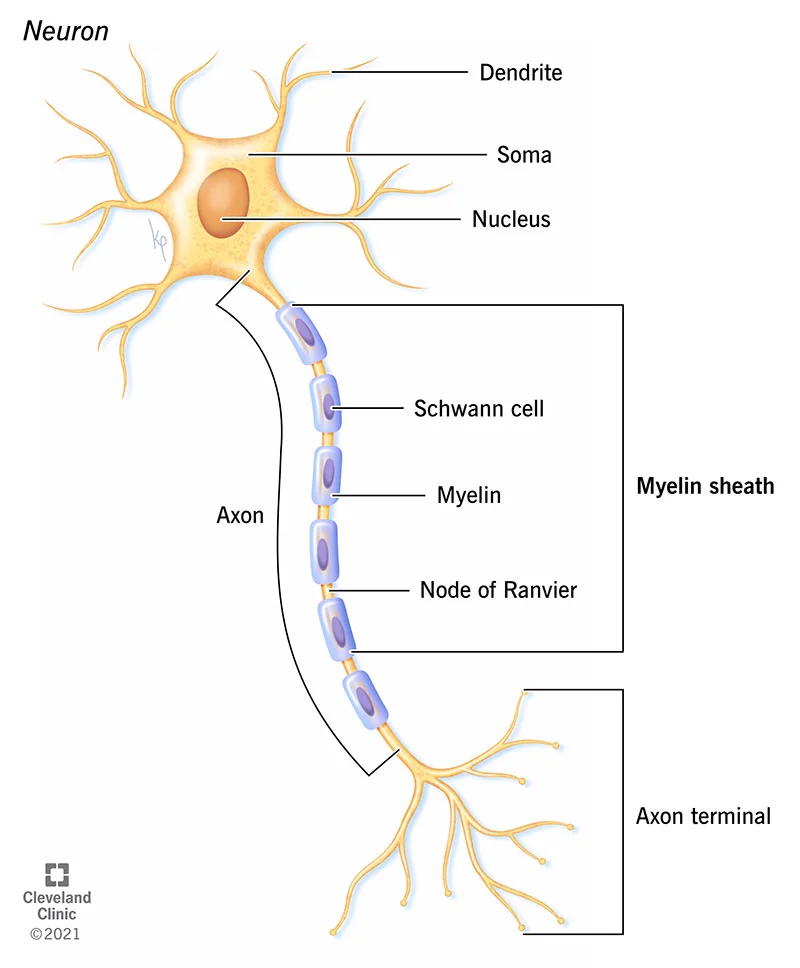
The result? Symptoms that can show up anywhere, anytime.
Some days you feel almost normal. Other days, your legs won’t cooperate. Your vision blurs. Fatigue hits so hard you can barely function. Simple tasks become impossible.
MS affects everyone differently. Some people have mild symptoms that barely affect their lives. Others face severe disabilities that require significant adaptations.
There’s currently no cure. But treatments can slow progression, manage symptoms, and help you maintain quality of life.
Dr. Sayali Kalbhor Patil specialises in the treatment of multiple sclerosis in Pune, providing personalised care that adapts as your needs change.
Types of Multiple Sclerosis
MS doesn’t follow one predictable pattern. There are different types, and understanding which one you have shapes your treatment plan.
Relapsing-Remitting MS (RRMS)

This is the most common type. About 85% of people with MS start here.
You have periods where symptoms flare up (relapses), then improve or disappear completely (remissions). Between relapses, the disease doesn’t get worse.
Relapses can last days, weeks, or months. What triggers them varies – stress, infections, heat, exhaustion.
Secondary Progressive MS (SPMS)

Many people with relapsing-remitting MS eventually develop this type.
Your symptoms stop coming and going. Instead, they’re there all the time and gradually get worse. You might still have occasional relapses, but the overall trend is steady progression.
Primary Progressive MS (PPMS)

TIA is often dismissed because symptoms settle quickly.
In reality, it is treated as:
- A warning sign rather than a completed event
- A chance to prevent a more severe stroke
- A reason to reassess heart rhythm, blood pressure, and vascular risk closely
Delays after a TIA are one of the most avoidable causes of future stroke.
Lacunar Stroke (Small Vessel Stroke)

About 10-15% of people have this type from the start.
No relapses or remissions. Symptoms slowly worsen from the beginning. This type is more complex to treat, but newer therapies are showing promise.
MS can be unpredictable, and patterns sometimes change.
Symptoms of Multiple Sclerosis
MS can cause almost any neurological symptom because it can damage nerves throughout your brain and spinal cord.

Here’s what people commonly experience:
- Extreme fatigue – Not just tired. Completely drained, even after rest. This is one of the most common and debilitating symptoms.
- Vision problems – Blurred vision, double vision, eye pain, partial or complete vision loss (usually in one eye)
- Numbness and tingling – Pins and needles sensations, loss of feeling in arms, legs, face, anywhere
- Balance and coordination issues – Feeling dizzy, clumsy, or unsteady on your feet
- Muscle problems – Weakness, stiffness, spasms, cramps, tremors
- Bladder and bowel issues – Urgency, frequency, incontinence, constipation
- Cognitive changes – Memory problems, difficulty concentrating, trouble with planning and problem-solving
- Mood changes – Depression, anxiety, mood swings, emotional ups and downs
- Pain – Nerve pain, muscle pain, headaches
- Sexual problems – Reduced sensation, erectile dysfunction, vaginal dryness
- Speech and swallowing difficulties – Slurred speech, trouble swallowing
- Heat sensitivity – Symptoms worsen in hot weather or after hot showers
Symptoms come and go for many people. Others experience them constantly. The unpredictability makes MS particularly challenging.
What Causes Multiple Sclerosis?
Nobody knows precisely what causes MS. It’s not contagious. You can’t catch it from someone else.
What we do know: MS is an autoimmune disease. Your immune system mistakenly attacks myelin in your brain and spinal cord.
Why does this happen? Probably a combination of factors:
- Genetics – If you have a parent or sibling with MS, your risk increases. But it’s not directly inherited.
- Geography – MS is more common in areas farther from the equator. Vitamin D deficiency might play a role.
- Infections – Certain viruses, especially Epstein-Barr virus (which causes glandular fever), are linked to higher MS risk.
- Smoking – Smokers are about twice as likely to develop MS and tend to have worse symptoms.
- Gender – Women are 2-3 times more likely to develop MS than men.
- Age – MS is usually diagnosed between ages 20 and 40, though it can appear at any age.
You can’t prevent MS. But understanding risk factors helps researchers develop better treatments.
How is Multiple Sclerosis Diagnosed?
There’s no single test for MS. Diagnosis is based on piecing together symptoms, test results, and medical history.
Dr. Sayali starts with a detailed conversation:
- What symptoms are you experiencing?
- When did they start?
- Do they come and go, or are they constant?
- What makes them better or worse?
- Any family history of MS or autoimmune diseases?
Then comes a neurological exam:
- Your reflexes
- Coordination and balance
- Muscle strength and tone
- Sensation
- Vision and eye movements
Tests that help confirm MS:
- MRI scans – The most crucial test. MRI shows lesions (areas of damage) in your brain and spinal cord. Multiple lesions in different regions at different times strongly suggest MS.
- Lumbar puncture (spinal tap) – Taking a sample of cerebrospinal fluid from your lower back. Testing this fluid can detect markers of MS, such as oligoclonal bands.
- Evoked potential tests – Measuring how quickly electrical signals travel along your nerves. Damaged myelin slows these signals down.
- Blood tests – Not to diagnose MS, but to rule out other conditions that can mimic MS symptoms.
Diagnosis can take time. Sometimes doctors need to see evidence of multiple attacks separated by time before confirming MS.
Multiple Sclerosis Treatment in Pune – Your Personalised Plan
MS treatment has two main goals: slowing disease progression and managing symptoms.
Every person’s treatment plan looks different. What works for someone else might not work for you.
Disease-Modifying Therapies (DMTs)

These medications slow MS progression and reduce relapses. They work best when started early, especially for relapsing-remitting MS.
- Injectable medications – Given daily, every other day, or weekly
- Oral medications – Pills taken daily or twice daily
- Infusion therapies – IV medications given monthly or a few times per year
- Newer biologics – Targeted therapies with fewer side effects
Dr. Sayali chooses DMTs based on your MS type, how active your disease is, other health conditions, and your lifestyle preferences.
Some people respond beautifully to the first medication tried. Others need adjustments or switches. Regular monitoring helps track what’s working.
Managing Relapses

During a relapse, symptoms suddenly worsen, or new symptoms appear.
- Corticosteroids – High-dose steroids reduce inflammation and speed recovery from relapses. Usually given as IV infusions for 3-5 days.
- Plasma exchange – For severe relapses that don’t respond to steroids, removing and replacing blood plasma can help.
The key is to catch relapses early and treat them quickly.
Symptom Management

Living with MS means managing individual symptoms as they appear:
- For fatigue – Energy conservation strategies, medications like amantadine, regular exercise
- For muscle spasms and stiffness – Muscle relaxants, physical therapy, stretching exercises
- For bladder problems – Medications, bladder training, intermittent catheterisation if needed
- For pain – Pain medications, nerve pain medications like gabapentin, and alternative therapies
- For depression and anxiety – Antidepressants, counselling, cognitivebehaviourall therapy
- For mobility issues – Physical treatment, assistive devices (canes, walkers, wheelchairs), home modifications
Lifestyle and Support Approaches

Medication isn’t the only answer:
- Physical therapy – Maintains strength, improves balance, prevents complications
- Occupational therapy – Helps adapt daily activities and maintain independence.
- Speech therapy – For swallowing or communication difficulties
- Regular exercise – Swimming, yoga, tai chi—low-impact activities that don’t overheat you
- Stress management – Meditation, relaxation techniques, counselling
- Adequate rest – Learning to pace yourself and avoid exhaustion
- Cooling strategies – Staying cool prevents heat from worsening symptoms
- Vitamin D supplementation – Some evidence suggests it may help, especially in India, where deficiency is common
- Healthy diet – No specific MS diet, but overall nutrition matters
- Avoiding smoking and excessive alcohol – Both can worsen MS progression
Dr. Sayali coordinates care with other specialists when needed, including physical therapists, occupational therapists, urologists, pain specialists, and mental health professionals.
Living with Multiple Sclerosis
MS is different for everyone. Some people work full-time and stay active for decades. Others need more support and adaptations.
Most people with MS live into old age, though life expectancy is slightly shorter than average. Treatments today are better than ever before, so people diagnosed now can expect better outcomes than those diagnosed 20 years ago.
MS affects more than your body. It impacts your emotions, relationships, work, and plans. That’s why comprehensive care addresses all aspects of your life.
You might need to:
- Reduce work hours or change jobs
- Use mobility aids at some point
- Make home modifications
- Ask for help with tasks you once did easily
- Grieve the life you expected before MS
All of this is normal. And you don’t have to face it alone.
Why Choose Dr. Sayali Kalbhor Patil for Multiple Sclerosis Treatment in Pune?
Managing MS requires a neurologist who truly understands the complexity of this condition.
- Specialised MS expertise Dr. Sayali has extensive experience treating all types of MS and stays current with the latest treatment advances.
- Comprehensive, individualised care. Your treatment plan is built around your specific MS type, symptoms, lifestyle, and goals, not a standard protocol.
- Long-term partnership MS requires ongoing care. Dr. Sayali monitors your progress, adjusts treatments as needed, and supports you through every stage.
- Access to advanced therapies. From the latest DMTs to symptom management strategies, you get access to cutting-edge treatments available in Pune.
- Coordinated multidisciplinary approach Dr. Sayali works with other specialists to address all aspects of your care, physical therapy, mental health, and pain management.
- Compassionate, patient-centred approach. She understands the emotional toll of MS and provides not just medical treatment but genuine support and understanding.
- Located in Kothrud, Pune, an accessible location with flexible appointment scheduling for regular monitoring and urgent concerns.
When you’re looking for multiple sclerosis treatment in Pune that combines expertise with empathy, Dr. Sayali is here.
Frequently Asked Questions About Multiple Sclerosis Treatment in Pune
Can multiple sclerosis be cured?
Not yet. There’s currently no cure for MS. But treatments can significantly slow disease progression, reduce relapses, manage symptoms, and help you maintain quality of life. Research continues to advance with new therapies emerging regularly.
Will I end up in a wheelchair?
Not necessarily. Many people with MS never need wheelchairs. Others might use mobility aids during relapses but walk independently otherwise. Early treatment with DMTs reduces disability risk significantly.
Can I have children if I have MS?
Yes. MS doesn’t affect fertility. Most women have successful pregnancies and healthy babies. MS activity often decreases during pregnancy. Dr. Sayali can guide you on managing MS medications before and during pregnancy.
How often will I need treatment?
It depends on your MS type and chosen therapy. Some DMTs are daily pills. Others are monthly infusions. You’ll need regular check-ups, typically every 3-6 months, and MRI scans every 6-12 months to monitor disease activity.
What's the success rate of MS treatment in Pune?
With modern DMTs, many people with relapsing-remitting MS achieve no evidence of disease activity (NEDA), meaning no new relapses, no new MRI lesions, no disability progression. Success depends on starting treatment early and staying consistent.
Will MS affect my career?
Not necessarily. Many people with MS continue working full-time. Some need accommodations like flexible hours, work-from-home options, or modified duties. The impact varies based on your symptoms and job requirements.
How do I know if I'm having a relapse?
A relapse means new symptoms or worsening of old symptoms lasting at least 24 hours. Contact Dr. Sayali immediately if you experience sudden vision changes, new weakness or numbness, significant balance problems, or any concerning new symptoms.

Take Control of Your MS Journey
Living with multiple sclerosis is challenging. But with the proper treatment, support, and partnership with an experienced neurologist, you can maintain your quality of life and stay active.
Dr. Sayali Kalbhor Patil provides expert multiple sclerosis treatment in Pune, helping patients manage symptoms, slow progression, and live as fully as possible.
Book your consultation today. Let’s work together to manage your MS and protect your future.