
Parkinson's Disease Treatment in Pune
Make an appointment for know more!
Treatments
What is Parkinson's Disease?
The tremor starts small. Maybe just your hand shaking when it’s resting. You think it’s nothing.
Then the movements slow down. Buttoning a shirt takes forever. Your steps get shorter, shuffling. Your face feels stiff, like you’re wearing a mask. Balance becomes tricky.
This is Parkinson’s disease, a progressive movement disorder that affects your nervous system.
It happens when nerve cells in a part of your brain called the substantia nigra weaken, get damaged, and die. These neurons produce dopamine, the chemical messenger that helps your brain control smooth, purposeful movements. By the time symptoms appear, you’ve already lost 60-80% of these dopamine-producing cells.
Parkinson’s affects more than just movement. Sleep problems, depression, memory difficulties, fatigue, these non-motor symptoms often show up years before the tremors start.
Men develop it slightly more often than women. Most people first notice symptoms around age 60, though 5-10% develop early-onset Parkinson’s before age 50.
There’s no cure yet. But modern treatments help manage symptoms effectively, especially in earlier stages. Dr. Sayali Kalbhor Patil specialises in the treatment of Parkinson’s disease in Pune, assisting patients to maintain mobility, independence, and quality of life.
Symptoms of Parkinson's Disease
Motor Symptoms (Movement-Related)
- Tremor – Often begins in one hand or foot when resting. The classic “pill-rolling” tremor between thumb and fingers. It may affect the jaw or face.
- Bradykinesia – Slowness of movement. Everything takes longer. Initiating movements becomes difficult. Your steps get shorter.
- Rigidity – Muscle stiffness in limbs and trunk. Your body feels tight, inflexible. Arms don’t swing when you walk.
- Postural instability – Balance problems, difficulty maintaining upright posture. Risk of falls increases as the disease progresses.
- Masked face – Reduced facial expressions from decreased facial muscle movement. You look blank or expressionless even when you’re not.
- Shuffling gait – Walking with short, dragging steps. Leaning forward. Difficulty starting to walk or stopping once you’ve started.
- Freezing – Feet feel glued to the floor, especially when starting to walk or turning.
- Changes in speech – Voice becomes softer, monotone. Words may slur together.
- Handwriting changes – Writing gets smaller and more cramped (micrographia).
Non-Motor Symptoms
These often appear years before movement problems:
- Sleep disturbances – Trouble falling asleep, staying asleep, acting out dreams
- Depression and anxiety – More common in Parkinson’s than in the general population
- Cognitive changes – Memory problems, difficulty concentrating, slowed thinking
- Constipation – From a slowed digestive system
- Loss of sense of smell – Often one of the earliest signs
- Blood pressure drops – Dizziness when standing up suddenly
- Fatigue – Overwhelming tiredness not relieved by rest
- Pain – Muscle aches, nerve pain, cramping
- Urinary problems – Urgency, frequency, incontinence
Symptoms start gradually. They’re subtle at first, easy to dismiss or attribute to normal ageing. But they progress over time, though the rate varies dramatically between individuals.
How is Parkinson's Disease Diagnosed?
There’s no single test for Parkinson’s. Dr. Sayali diagnoses it based on medical history, symptoms, and neurological examination.
She’ll ask detailed questions:
- When did symptoms start?
- Which side of your body was affected first?
- How have symptoms progressed?
- Any family history of Parkinson’s or movement disorders?
- Any exposure to toxins or head injuries?
During the neurological exam, Dr. Sayali checks for:
- Tremor at rest
- Muscle rigidity when she moves your limbs
- Slowness of movement
- Balance and walking patterns
- Facial expressions and eye movements
- Reflexes
Tests Dr. Sayali may order:
- Blood tests – Rule out other conditions with similar symptoms, like thyroid problems or vitamin deficiencies
- Brain imaging – MRI or CT scans to rule out stroke, tumours, or other structural problems. Standard imaging doesn’t diagnose Parkinson’s disease but can help exclude other causes.
- DaTscan – Special imaging that shows dopamine activity in the brain. Helps distinguish Parkinson’s from other conditions.
- Response to medication – If symptoms improve significantly with levodopa, it supports a Parkinson’s diagnosis.
Early diagnosis matters. Starting treatment sooner helps maintain quality of life longer.
Parkinson's Disease Treatment in Pune
While there’s no cure, treatment significantly improves symptoms and function. Dr. Sayali creates personalised plans that evolve as your needs change.
Medications
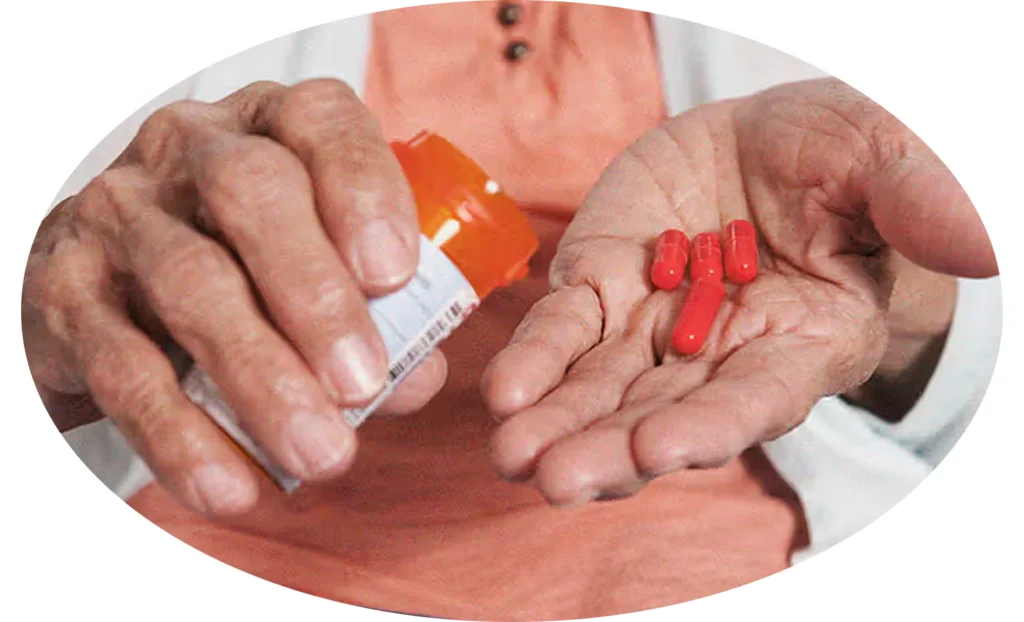
- Levodopa/Carbidopa (Sinemet) – The gold standard. Levodopa converts to dopamine in the brain, replacing what’s lost. Combined with carbidopa to reduce side effects. Helps at least 75% of people with Parkinson’s. Works best for bradykinesia and rigidity.
- Dopamine Agonists – Drugs like pramipexole, ropinirole, and rotigotine that mimic dopamine’s effects in the brain. Often used in younger patients or early-stage disease.
- MAO-B Inhibitors – Rasagiline and selegiline prevent the breakdown of dopamine in the brain. It can be used alone in the early stages or combined with levodopa later.
- COMT Inhibitors – Entacapone and tolcapone prolong levodopa’s effect.
- Anticholinergics – Help control tremor and rigidity, especially in younger patients.
- Amantadine – Reduces dyskinesia (involuntary movements) that can develop from long-term levodopa use.
Dr. Sayali carefully adjusts medications to balance symptom control with side effects. As Parkinson’s progresses, medication needs change. What works today may need adjustment months or years from now.
Deep Brain Stimulation (DBS)
For people whose symptoms don’t respond well to medications, DBS can be life-changing.
Surgeons implant thin electrodes deep in specific brain areas. These electrodes deliver electrical impulses that help regulate abnormal brain activity. Think of it like a pacemaker for your brain.
DBS can significantly reduce tremor, rigidity, and bradykinesia. It allows many people to reduce their medication doses, thereby decreasing side effects.
Dr. Sayali assesses whether you’re a good candidate for DBS and refers you to trusted neurosurgeons when appropriate.
Physical Therapy
Essential for maintaining mobility and preventing complications.
- Gait training – Learning techniques to improve walking, prevent shuffling, and reduce freezing
- Balance exercises – Reducing fall risk through targeted exercises
- Stretching and flexibility work – Counteracting muscle rigidity
- Strength training – Maintaining muscle function
Studies show exercise has tremendous benefits for Parkinson’s. Regular physical activity may even slow disease progression.
Occupational Therapy
Helps you adapt to daily activities and maintain independence.
- Strategies for dressing, eating, and bathing
- Adaptive equipment recommendations
- Home modifications to prevent falls
- Energy conservation techniques
Speech and Swallowing Therapy
Many people with Parkinson’s develop soft, monotone speech or swallowing difficulties.
- Lee Silverman Voice Treatment (LSVT LOUD) – Specialised speech therapy proven effective for Parkinson’s
- Swallowing exercises – Preventing aspiration and choking
Lifestyle Modifications
Dr. Sayali emphasises lifestyle approaches that complement medical treatment:
- Regular exercise – Walking, swimming, tai chi, yoga, dancing. Aim for 150 minutes weekly.
- Nutrition – High-fibre diet for constipation, adequate hydration, balanced meals. Protein timing may affect levodopa absorption.
- Sleep hygiene – Consistent sleep schedule, comfortable sleep environment
- Stress management – Meditation, relaxation techniques, counselling
- Social engagement – Staying connected with family, friends, and support groups
- Mental stimulation – Reading, puzzles, learning new skills
Managing Non-Motor Symptoms
- For depression/anxiety – Antidepressants, counselling, support groups
- For sleep problems – Sleep medications, treating restless legs, managing REM sleep behaviour disorder
- For cognitive changes – Cognitive stimulation, medications if dementia develops
- For blood pressure drops – Increasing salt/fluid intake, compression stockings, medications
- For constipation, fibre, fluids, stool softeners, and regular meal schedules
Dr. Sayali addresses the whole person, not just motor symptoms. Quality of life depends on managing everything Parkinson’s throws at you.
Living with Parkinson's Disease
Parkinson’s is progressive, but many people live active, fulfilling lives for years after diagnosis.
Life expectancy with Parkinson’s is generally near-normal, especially with early diagnosis and good treatment. The disease progresses slowly for most people.
Some continue working full or part-time, often with workplace accommodations. Others retire or reduce hours. Staying engaged, whether through work, hobbies, volunteering, or social activities, matters tremendously.
Family support makes a huge difference. Caregivers need support, too. Dr. Sayali guides families on what to expect and how to help.
Support groups connect you with others facing similar challenges. Sharing experiences, learning coping strategies, and feeling less alone are all incredibly valuable.
Why Choose Dr. Sayali Kalbhor Patil for Parkinson's Disease Treatment in Pune?
Specialised movement disorder expertise Dr. Sayali has extensive experience managing all stages of Parkinson’s disease with the latest treatment approaches.
Comprehensive, personalised care. Your treatment plan addresses motor symptoms, non-motor symptoms, medications, therapies, lifestyle—everything that affects your quality of life.
Medication optimisation: Dr. Sayali carefully adjusts medications to maximise benefit while minimising side effects. She stays current on the newest treatments.
Coordinated multidisciplinary approach. She works with physical therapists, occupational therapists, and speech therapists when needed.
A long-term partnership in Parkinson’s requires ongoing management. Dr. Sayali monitors your progression, adjusts treatments as the disease changes, and supports you through every stage.
Patient and family education, Understanding Parkinson’s helps you make informed decisions and cope better. Dr. Sayali takes time to explain everything clearly.
Compassionate support. She understands the emotional challenges of living with Parkinson’s. You’re never just a case—you’re a person.
Convenient Kothrud, Pune location, accessible for regular appointments and medication adjustments.
Frequently Asked Questions About Parkinson's Disease Treatment in Pune
Can Parkinson's disease be cured?
Not yet. Current treatments manage symptoms effectively but don’t stop or reverse the underlying disease. Researchers are working on therapies that might slow or stop progression.
Will medication stop working over time?
Medication effectiveness can change as Parkinson’s progresses. That’s why Dr. Sayali regularly adjusts your treatment plan. New medications or combinations usually maintain reasonable symptom control for many years.
Should I start medication immediately after diagnosis?
It depends. Some people benefit from starting treatment right away. Others with mild symptoms might wait. Dr. Sayali discusses the pros and cons based on your specific situation.
Will I need surgery?
Not necessarily. Many people manage well with medications alone. Deep brain stimulation is reserved for people whose symptoms don’t respond adequately to medications or who have severe medication side effects.
Can I still exercise with Parkinson's?
Absolutely, and you should. Exercise is one of the best things you can do for Parkinson’s. It helps maintain mobility, reduces symptoms, and may slow progression. Dr. Sayali recommends activities suited to your abilities.
How fast will Parkinson's progress?
It varies dramatically. Some people progress slowly over decades. Others move through stages more quickly. Early treatment, staying active, and managing symptoms well may slow progression.

Take Control of Your Parkinson's Journey
Living with Parkinson’s is challenging. But with expert treatment, the proper medications, therapy, and support, you can maintain independence and quality of life.
Dr. Sayali Kalbhor Patil provides comprehensive Parkinson’s disease treatment in Pune, combining medical expertise with genuine understanding and a long-term partnership.
Book your consultation today. Let’s work together to manage your symptoms and help you live as fully as possible.